When I was about 6 years old, my dad won a “major award” at his work: a $50 gift certificate to Chi-Chi’s Mexican restaurant.
So one Sunday afternoon after church, we piled into our big black Oldsmobile—me and my three siblings across the vinyl backseat—and headed to the Chi-Chi’s at Bashford Manor Mall.
As far as I could recall, I had never eaten at a sit-down restaurant, so I was excited at the prospect. Money was tight and wrangling four kids in a restaurant was next to impossible, so we ate our meals at home. Before our trip to Chi-Chi’s, eating out meant a hamburger and small fry from McDonald’s—eaten around the kitchen table of course. For the youngsters out there, this was before Happy Meals and Chicken McNuggets were invented.
When we got to the restaurant, Dad said, “Order whatever you want” as the waitress handed out menus.
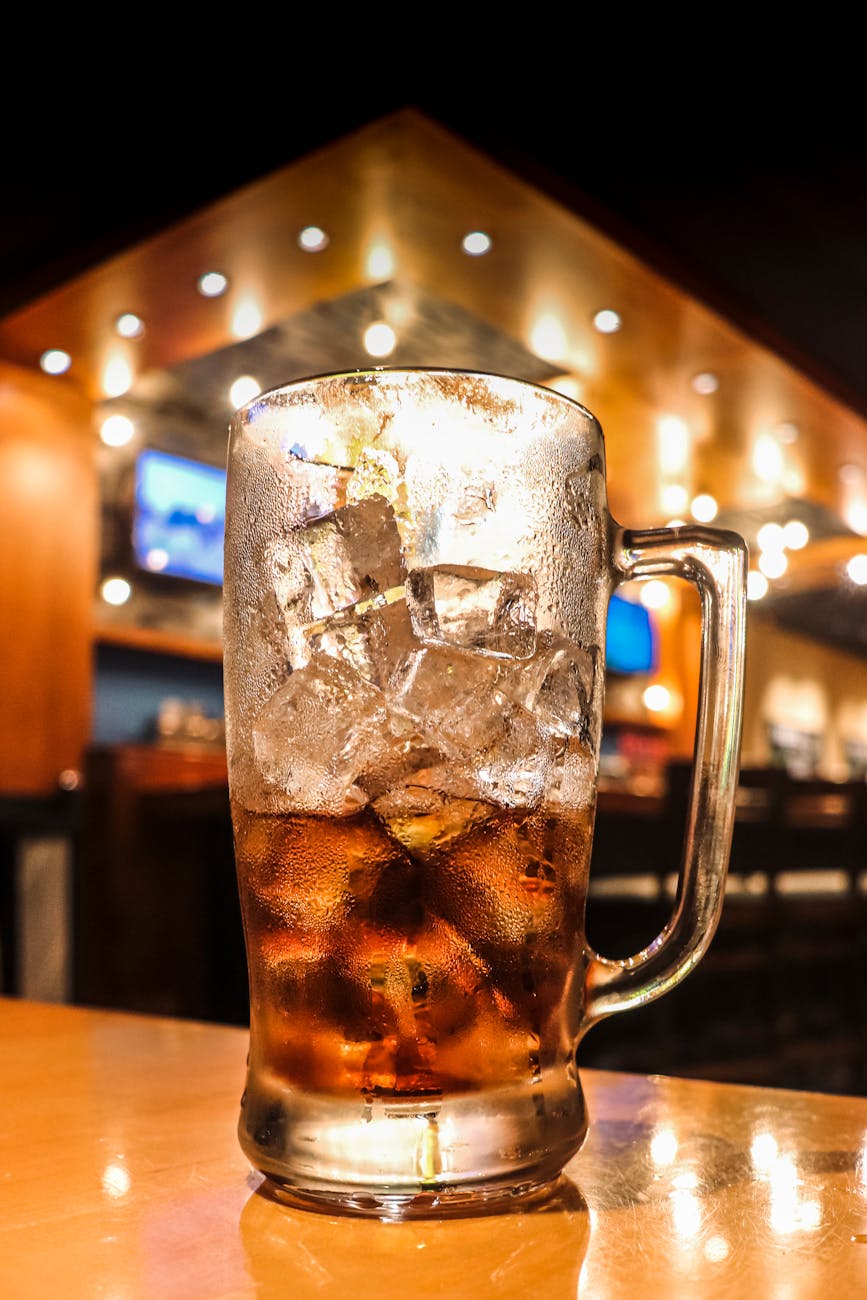
She took our drink orders first, and I ordered an Orange Crush. It came out in a big glass mug.
Still being new to reading and having never laid eyes on a menu, I was a little overwhelmed as I flipped through the pages. I knew nachos were Mexican food, but I couldn’t find them on the menu. All the while, I kept taking sips of Crush.
“What in the world is a jap-a-leno?” I whispered to myself.
When the waitress returned and it was my turn to order, I told her I wanted nachos even though I couldn’t find them on the menu. She obliged, and happy with successfully ordering, I took a few more sips of Crush.
Shortly after, the waitress returned with another mug of Crush, even though I wasn’t finished with my first mug. “What’s going on here?” I thought to myself. “They’re giving away free Crush here!”
To give some context, at home we got to split a bottle of Coke on special occasions, and there were distinct rules of protocol when it came to dividing a drink. First, both glasses had to be the same size and shape. The pourer lined them up side by side and carefully filled the glasses, squatting down at eye level to make sure they were even. The most important rule was that whoever poured the drink had to let the other person chose which glass he wanted.
But the Crush flowed like water at Chi-Chi’s. “This is how the rich people must feel,” I thought, as my Crush consumption continued.
“Jacob, don’t fill up on Crush,” my mom chided. “You aren’t going to want your lunch.”
When the waitress brought out my third mug of Crush, she commented, “Wow, you must be really thirsty.”
I wasn’t. In fact, I was so full my belly was making sloshing noises, but I couldn’t refuse more delicious Crush, so I continued sipping away.
When my nachos came out, I was so stuffed I only ate one or two—even though they were delectable. Crossing my legs to try to hold back a deluge of Crush from exiting my 48-pound body (I was scared of public restrooms back then), I carried the rest of my nachos home in a Styrofoam container.
I didn’t know it at the time, but I experienced the law of diminishing marginal utility at Chi-Chi’s. It sounds complex, but the law of diminishing marginal utility is an economic principle that says that the more a person consumes of a good, the less satisfaction (utility is a fancy term for this) he gets from each additional good.
I rated that first mug of Crush a 10 on the satisfaction scale, but as I continued to drink, I got less and less satisfaction. When talking about diminishing marginal utility, economics professors often use chocolate or pizza as an example. Most of us have gotten sick from eating too much chocolate. In other words: You can have too much a good thing.
King Solomon used the example of honey: “If you find honey, eat just enough—too much of it, and you will vomit” (Proverbs 25:16).
But the law of diminishing marginal utility doesn’t just pertain to food. It applies to clothes, cars, electronic gadgets or any other earthly thing. We may think accumulating things will make us happy, but the happiness we find in any worldly pleasure is fleeting.
True happiness comes from God.





Leave a Reply